A guest who has never been to your riad decides in a few seconds, on a phone screen, whether it feels like the place they want to wake up in. Good hotel photography does that job before your reviews, your price or your description are even read.
Riads are harder to photograph than ordinary hotels: the rooms are often small, the light comes from a single courtyard, and the beauty is in the details. Here are the ten shots we make sure every riad has, and how to get each one right.
What the booking platforms ask for
Before the creative part, the practical one:
- Booking.com recommends at least 24 photos per property in its photography guide for partners, mostly in landscape format, at a minimum of 2048 × 1080 pixels. It also asks for natural, undistorted images: no heavy filters, no watermarks, no collages.
- Google Business Profile accepts JPG or PNG files between 10 KB and 5 MB, with a recommended size of 720 × 720 pixels or more. These photos appear on Google Maps, often before a guest ever reaches your website.
- Airbnb has no fixed count, but the same rule applies: cover every space a guest can use, and put your strongest, most honest image first.
Platform rules change, so check your partner account before a shoot. A professional shoot gives you full-resolution files you can export for each platform.
The 10 shots every riad needs
1. The courtyard, from above
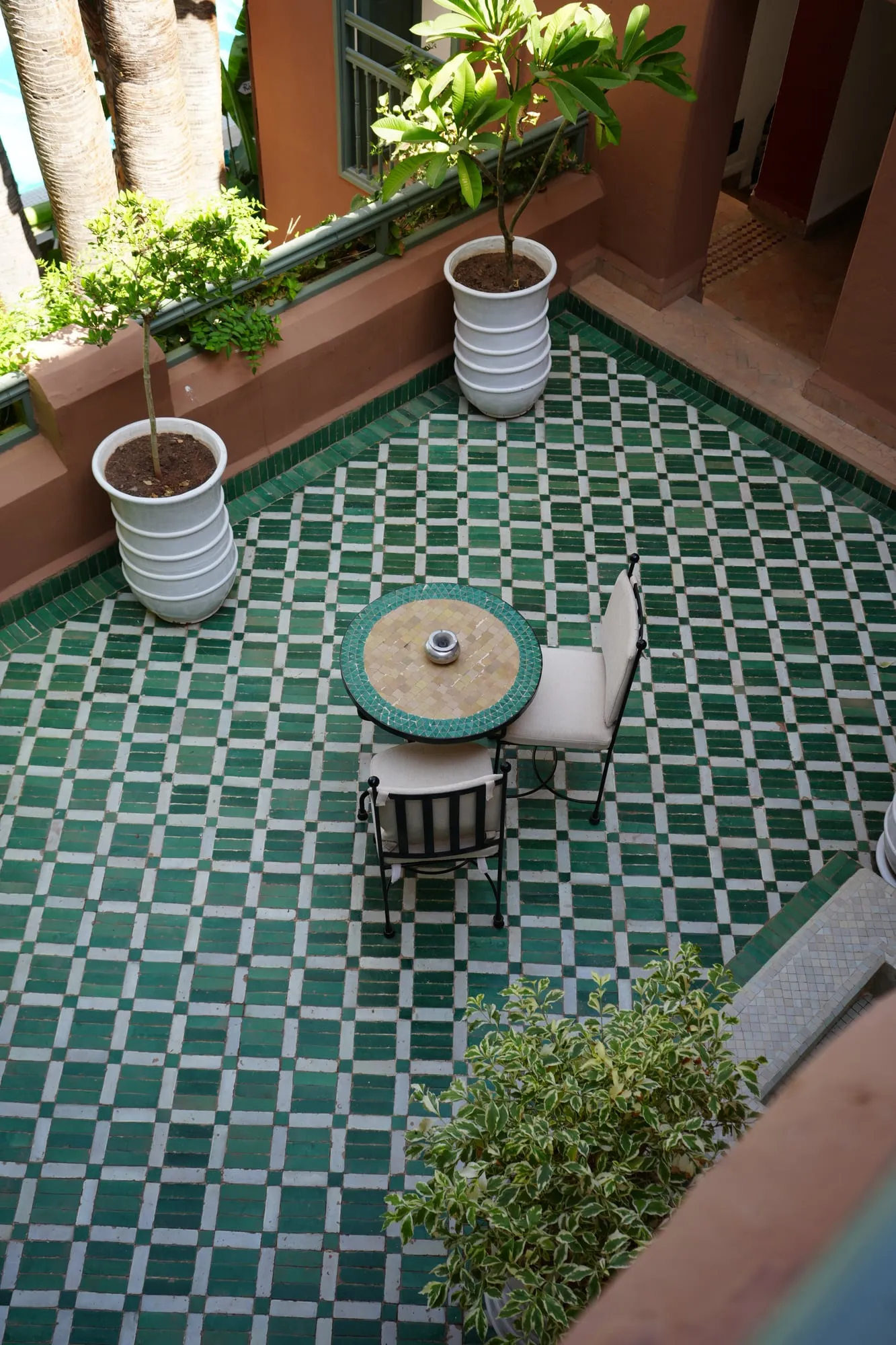
The patio is the heart of a riad. Shoot it from the upper gallery or a doorway, looking down on the fountain or plunge pool, the planting and the arches. This is usually your best cover image.
2. The courtyard, at eye level
A second, human-height view of the same space, with a table set for tea or a reading chair, shows guests where they will actually spend time.
3. Every room type, wide
One clean, wide photo of each room type, taken from a corner at around chest height so the walls stay straight. Make the beds perfectly, open the shutters and switch on the lamps for warmth.
4. The bathroom
Guests look for it, and platforms expect it. Tadelakt walls, a brass basin or a hammam-style shower are selling points: show them.
5. The view from the room
If a room opens onto the patio, the garden or the rooftops, take one photo through the window or the open door. It answers the question every guest asks: “What will I see when I wake up?”
6. The rooftop terrace
Show the whole terrace first, with loungers, shade and plants, then the view: the medina rooftops, the Koutoubia or the Atlas on a clear day.
7. Breakfast
A real breakfast, as you serve it: msemen, bread, fruit, jams, mint tea or coffee. Take one photo from above and one wider shot showing where it is served. Only show what is actually included.
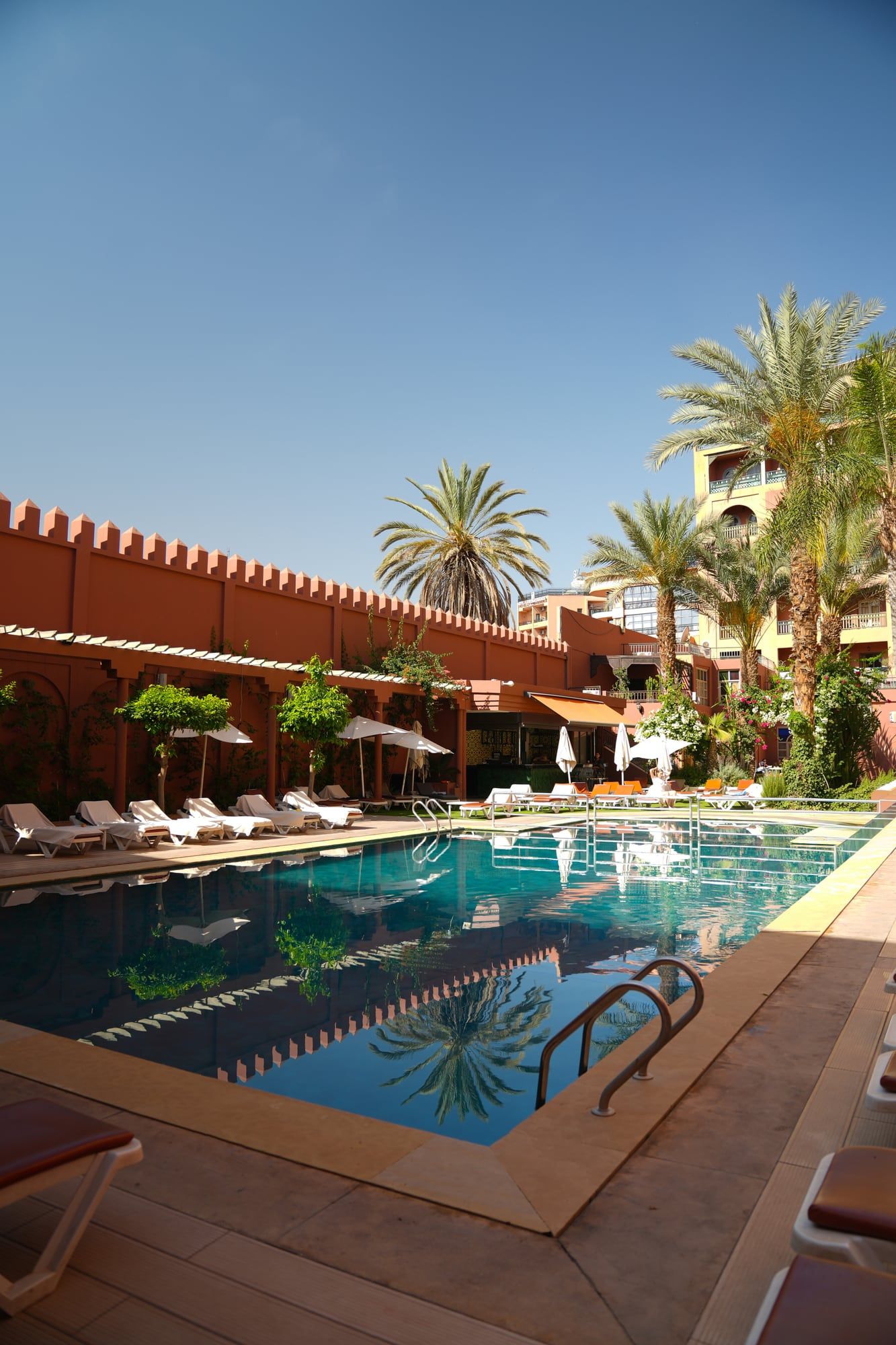
8. The pool or plunge pool
If you have one, shoot it in soft light, from an angle that shows its size honestly, and keep the water perfectly calm.
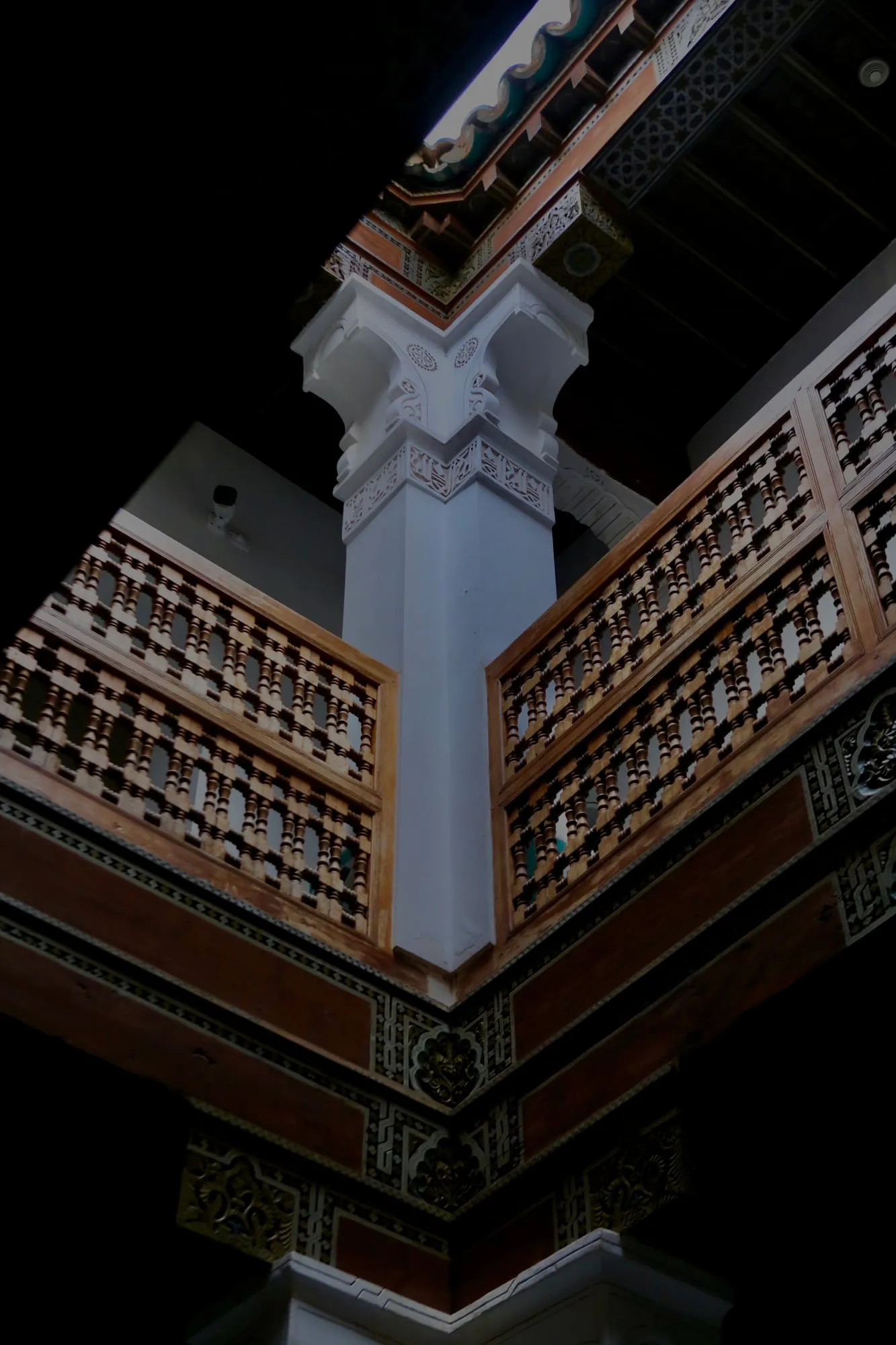
9. The details
Zellige, carved cedar, tadelakt, brass lanterns, textiles, the front door. Details are what make a riad different from a hotel room anywhere else in the world. Use them to support the wide shots, never to replace them.
10. One or two lifestyle moments
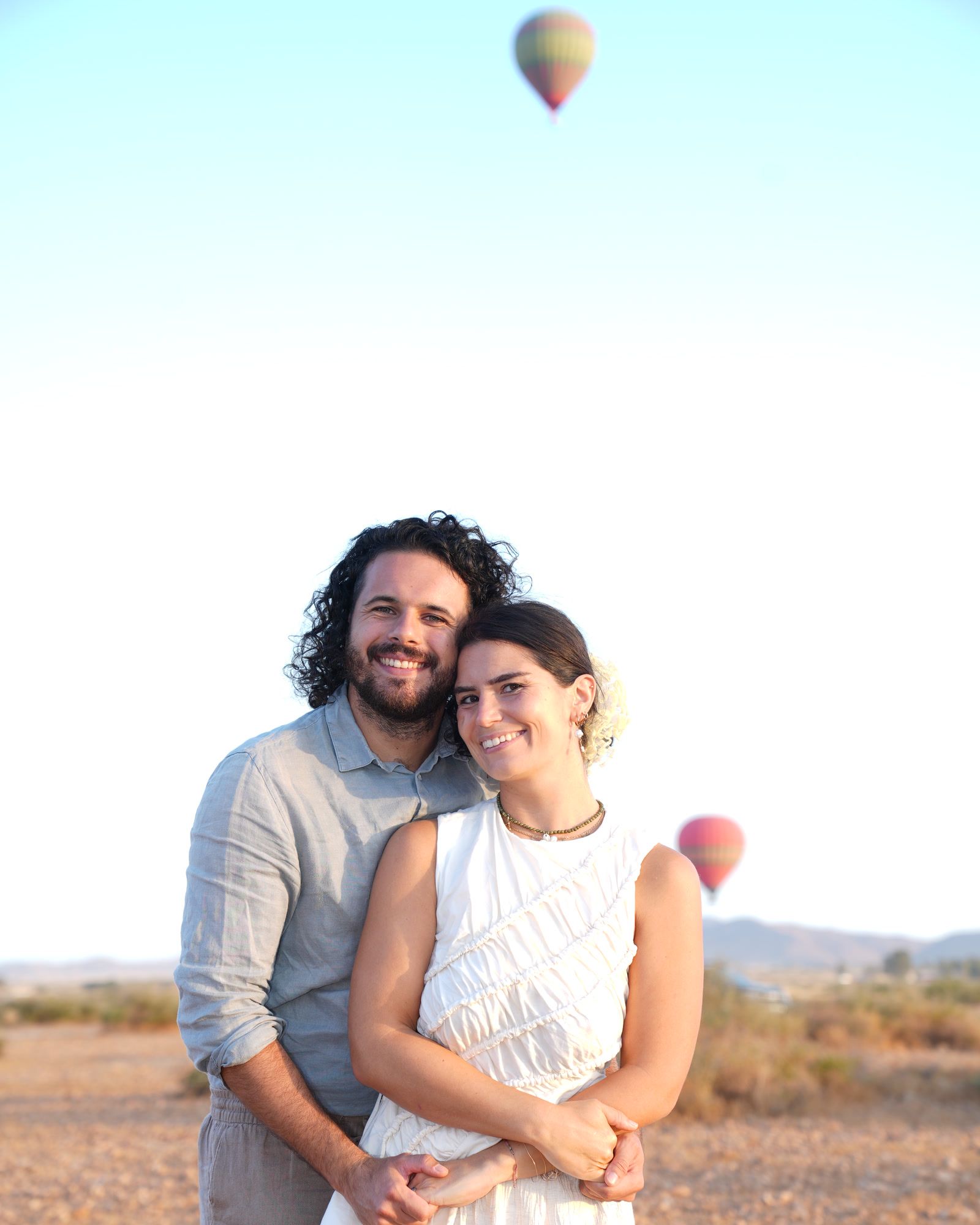
A guest reading on the terrace, tea being poured, a hammam ritual. People make a space feel alive. Ask for consent, and keep people out of the cover image, which should show the place.
The best light for a riad
- Courtyards: test early morning and late afternoon. The right time depends on how the patio is oriented and how much sky it sees.
- Rooftops and pools: the last 60 to 90 minutes before sunset give warm walls and long, soft shadows.
- Avoid midday for anything outdoors. Between roughly 11 a.m. and 3 p.m., especially in summer, the sun is overhead: shadows turn black, pools glare and walls look flat.
- Interiors: use daylight first, then turn on the lamps for warmth. A professional photographer blends several exposures so the bright patio and the darker room both keep their detail, without the fake, over-processed look of heavy HDR.
Common mistakes to avoid
- Ultra-wide lenses that stretch small rooms. Guests notice when the room is smaller than the photo promised, and say so in reviews.
- Heavy filters and oversaturated colours. They make a riad look cheaper, not better.
- Only detail shots. Beautiful close-ups that never show the room leave guests guessing.
- Outdated photos. Repainted walls, new furniture or a renovated terrace should be photographed again.
Photos or a film?
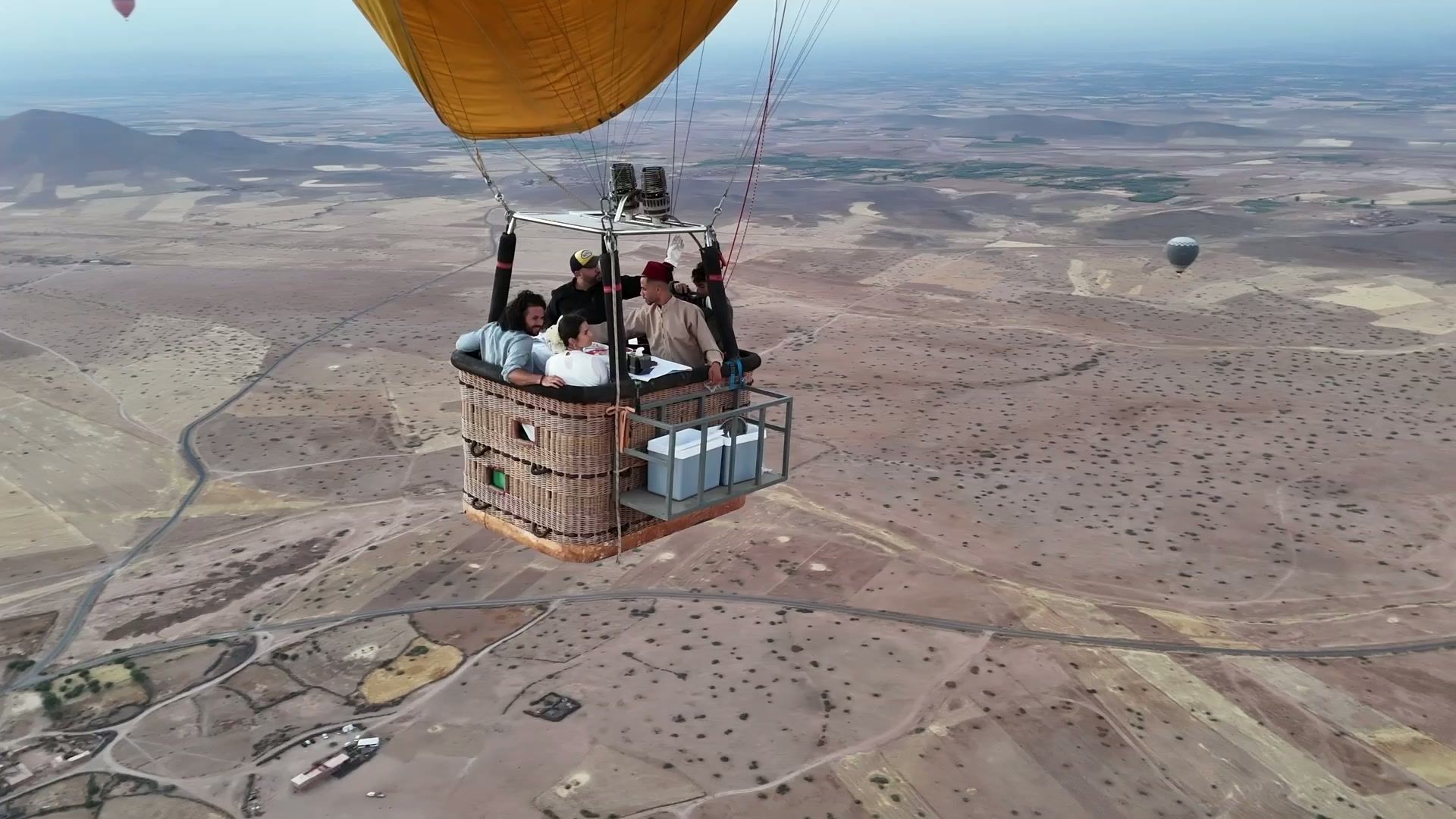
Photos sell the booking. A short film sells the feeling: the sound of the fountain, the light moving across the patio, breakfast arriving on the terrace. Many riads use both: photos for booking platforms and Google, and a short film or a few vertical reels for their website and Instagram.
Frequently asked questions
How many photos does a riad need? At least 24 for Booking.com, according to its partner guide. In practice, a full set covering every room type, the common spaces and the details is what makes a listing complete.
Should we photograph in high season? Ideally just before it, so the new photos are online when guests are searching. Spring and autumn give comfortable temperatures and beautiful light in Marrakech.
Will the shoot disturb our guests? It should not. We schedule around check-ins, breakfast and quiet hours, and shoot occupied rooms on the day they are free.
Want photos and a film that fill your rooms? See our hotel and riad photography, the best photoshoot locations in Marrakech, or ask us for a free quote.