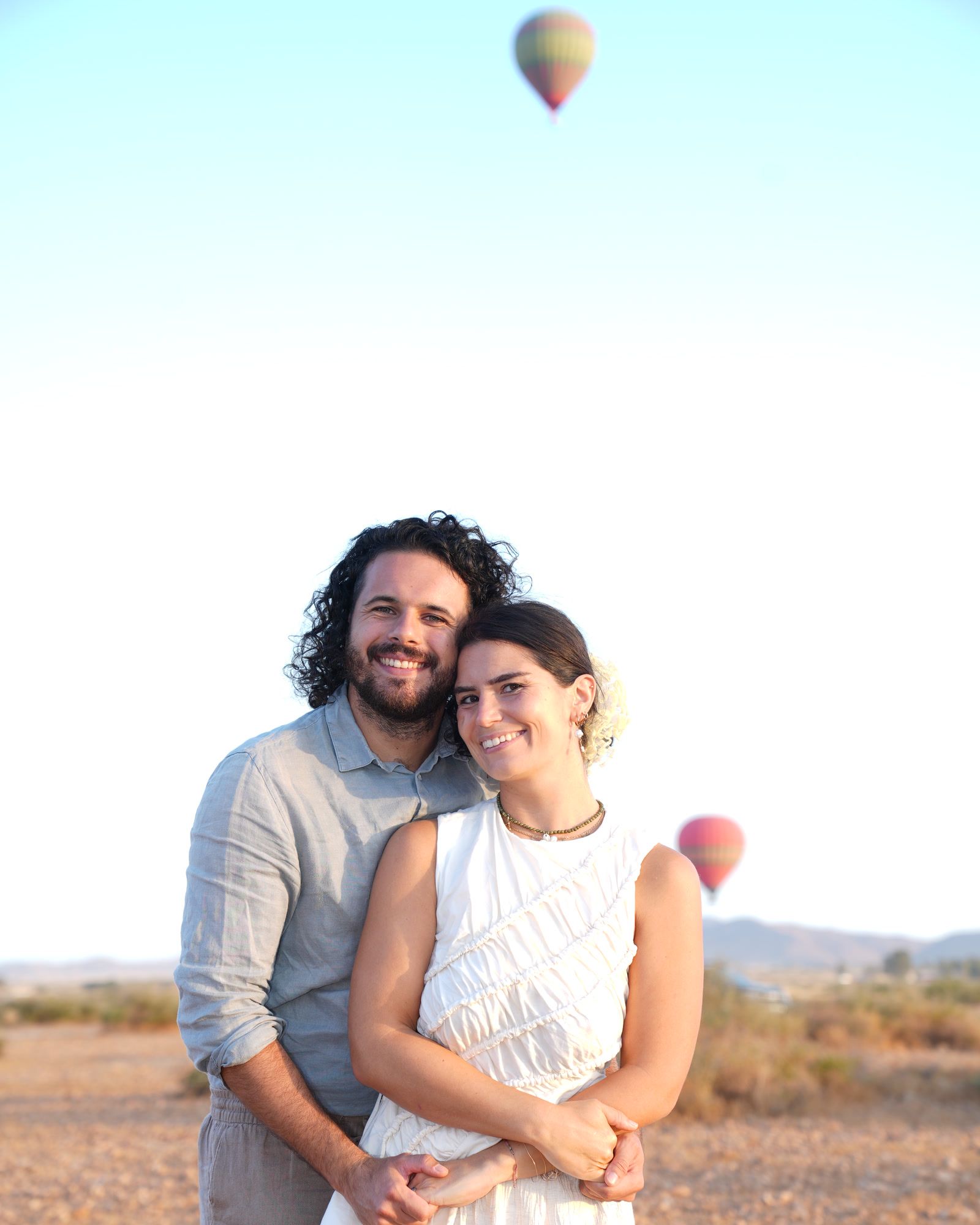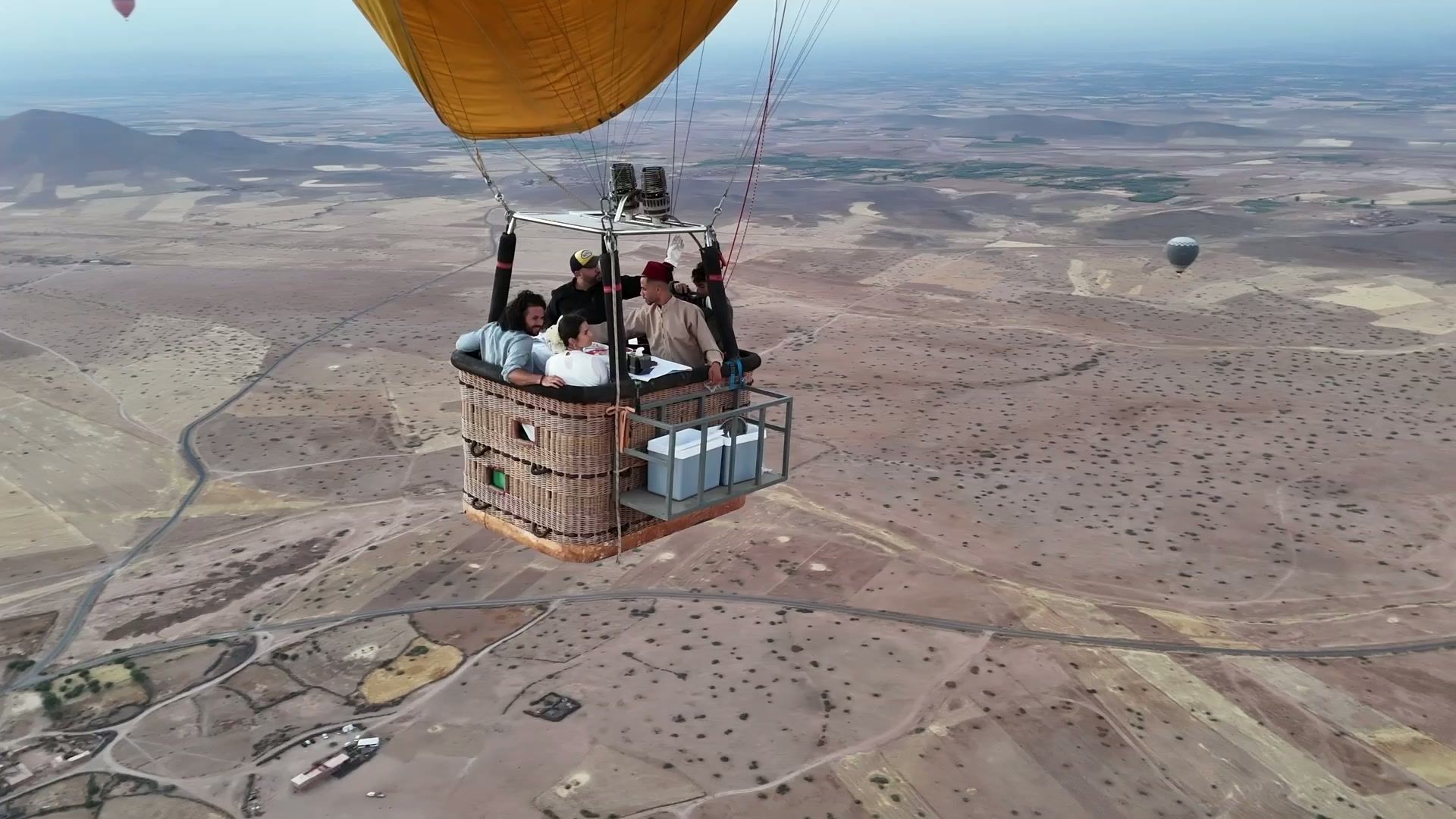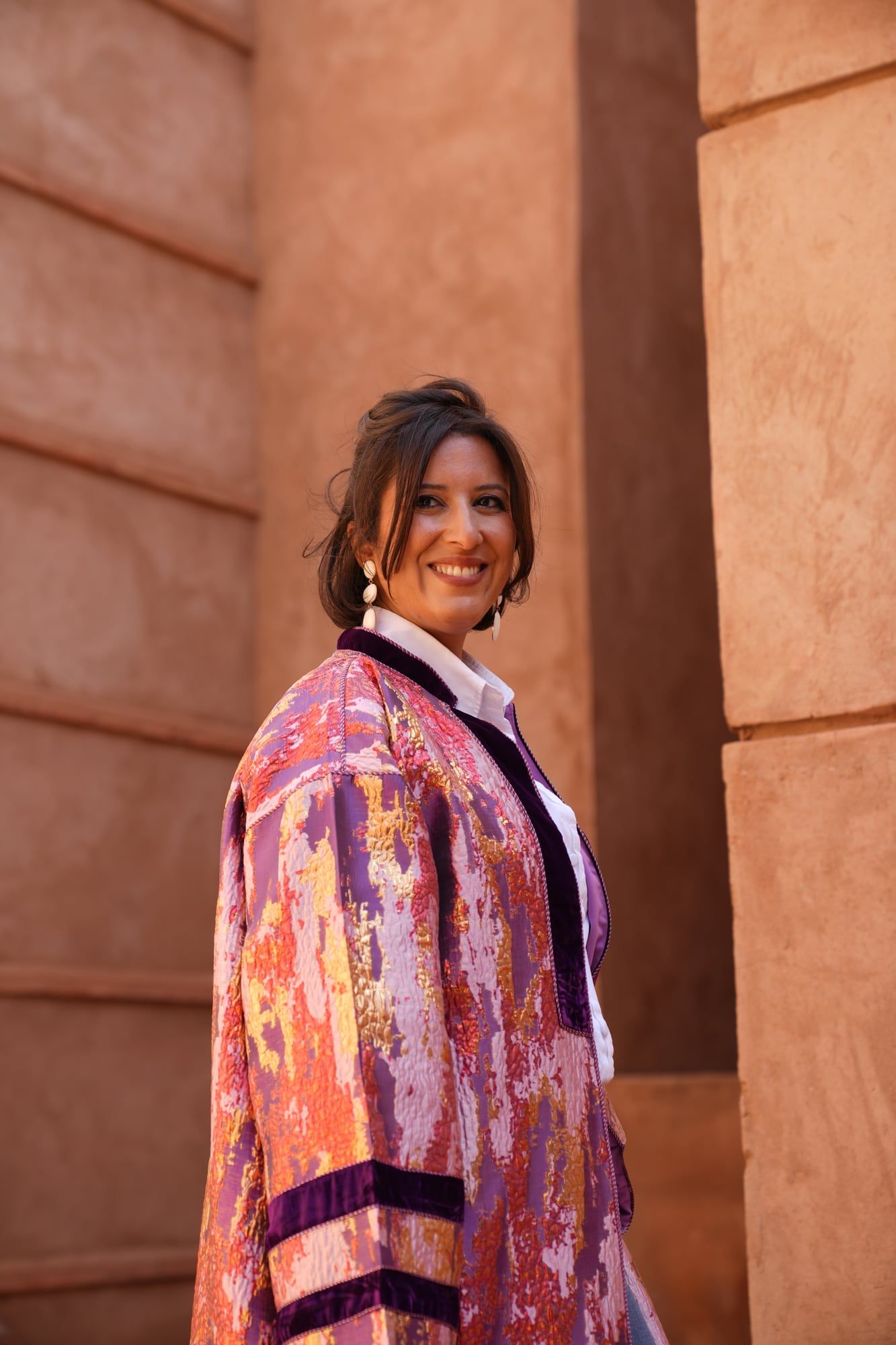
Pink walls, carved arches, palm groves, a stone desert and the Atlas on the horizon, all within an hour’s drive. It is no surprise that fashion and lifestyle brands come to Marrakech for their campaigns and lookbooks.
The beauty is easy. The logistics are where shoots go wrong: permits, locations that do not allow professional equipment, a drone held at customs, a heatwave in July. This guide covers what to plan, and in what order.
Choose the right season
Marrakech has sunshine almost all year, but not every month suits a fashion shoot.
| Months | Typical daytime highs | For a fashion shoot |
|---|---|---|
| March to May | about 24 to 31 °C | Excellent: warm, comfortable, green palm groves |
| October and November | about 23 to 30 °C | Excellent: soft light, pleasant days |
| December to February | about 19 to 23 °C | Good, but cold mornings and evenings |
| June to September | about 34 to 39 °C | Difficult: heat for models, make-up and equipment |
These are averages, not forecasts. Also check the dates of Ramadan for your year: opening hours change, afternoons are quieter and some locations close earlier.
Plan around the light
- Morning and the last one to two hours before sunset give the warm, flattering light Marrakech is known for.
- Midday sun is harsh: deep shadows under the eyes, squinting models, flat colours. Use those hours for interiors, courtyards and shaded medina streets, or for changes and lunch.
- Sunset is roughly between 5:30 and 6 p.m. in winter and between 7:30 and 8 p.m. in late spring and summer. Calculate the exact time for your dates.
The best location types
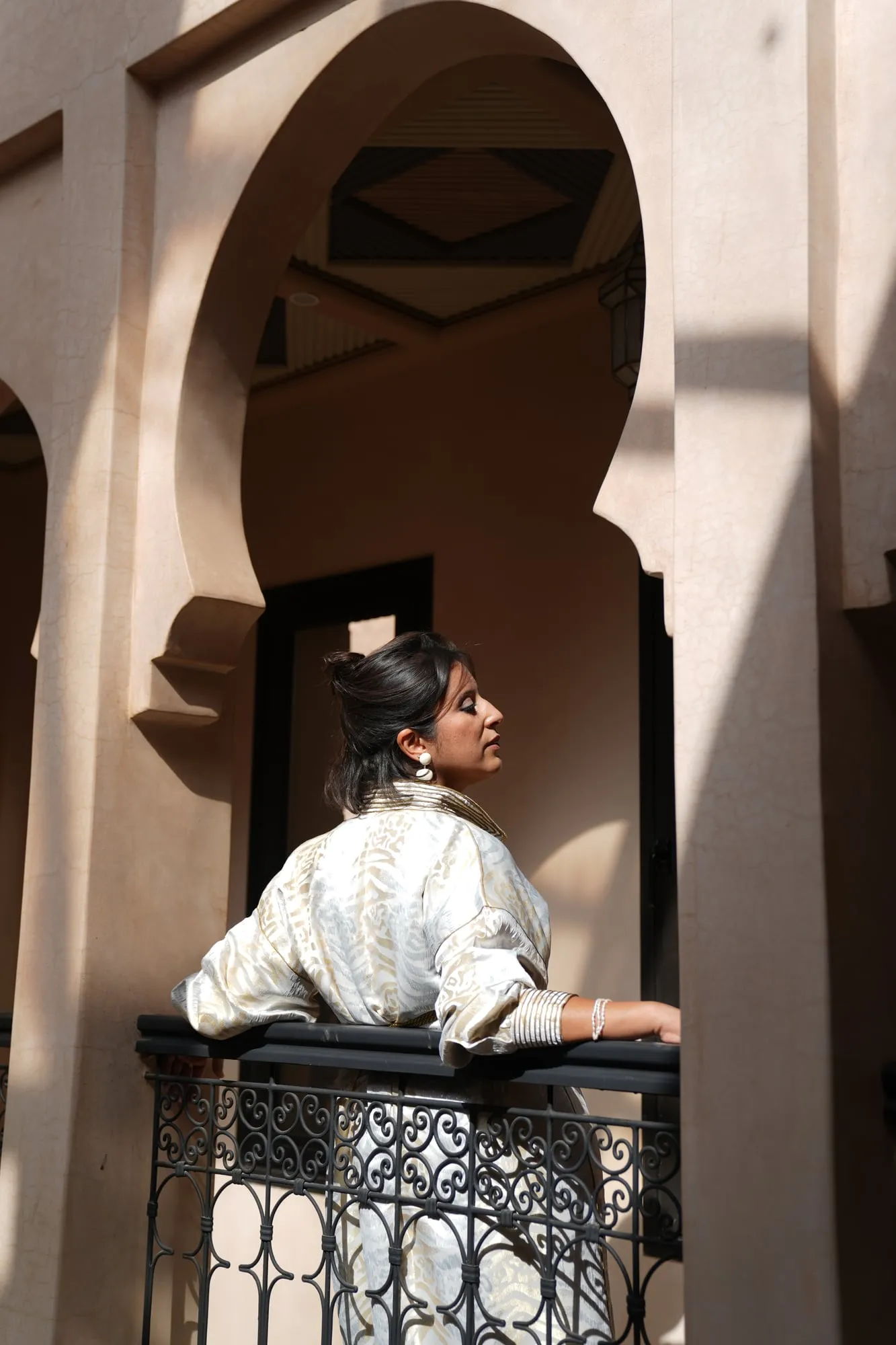
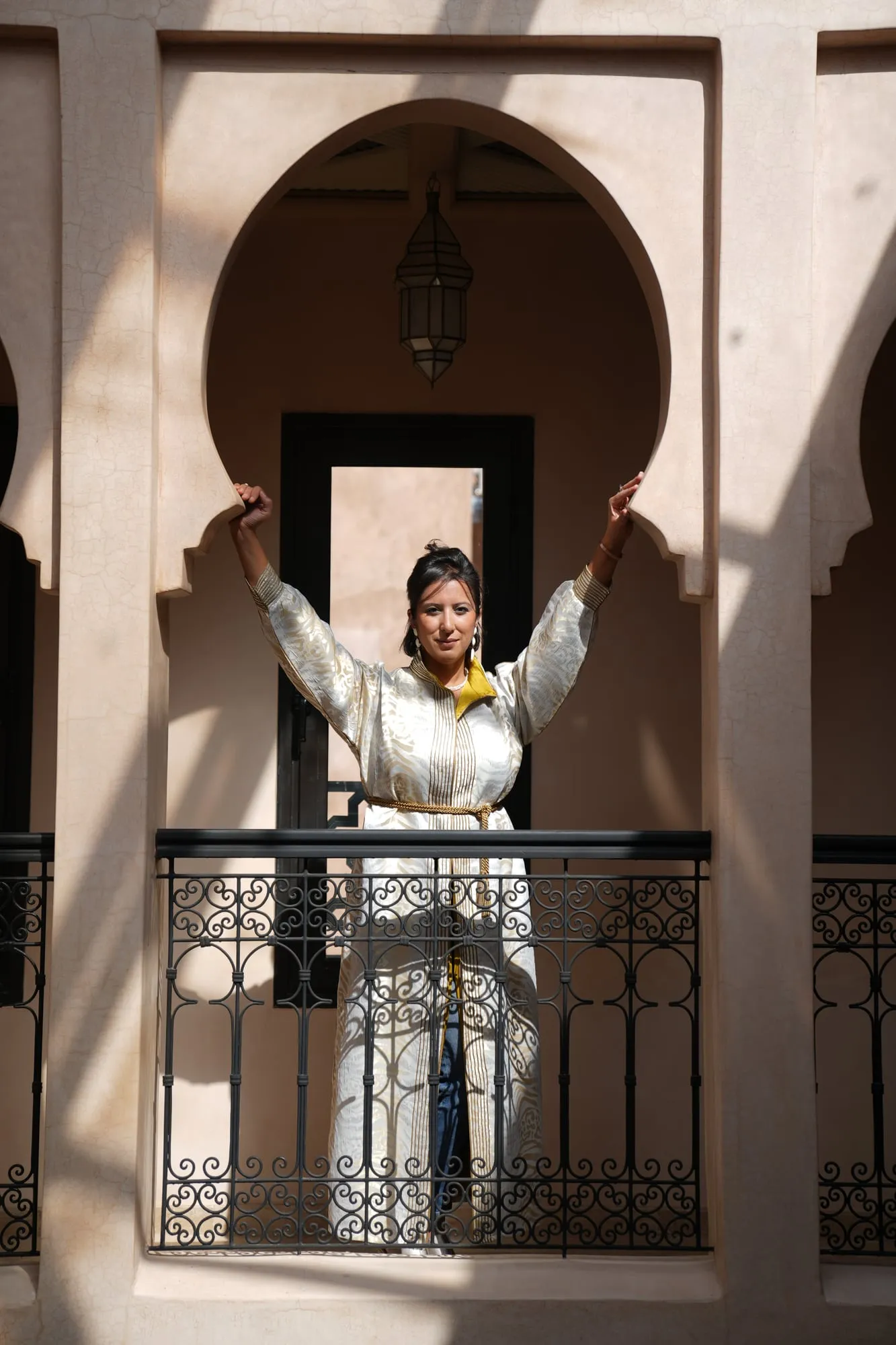
- Riads: courtyards, arches, tiled floors and rooftop terraces, with privacy and control. The easiest place to work.
- The medina: textured walls, doors and alleys. Keep a small footprint and never block shops or passers-by.
- Agafay desert: a golden stone desert about 30 to 40 km from the city, ideal at sunset.
- The Palmeraie: palm trees and open sky, a few minutes from the centre.
- The Atlas Mountains: dramatic backdrops, but plan for travel time and changing weather.
- Hotels and private estates: controlled and comfortable, often with location fees and their own rules.
Permits: start early
This is the part foreign brands most often underestimate.
- Commercial shoots are authorised through the Centre Cinématographique Marocain (CCM). In practice, a Moroccan production company or approved local producer usually submits the application on behalf of the client.
- Allow several weeks. Published lead times vary, so plan at least four to six weeks for a campaign, and more if you need several public locations.
- Monuments are a separate permission. An entrance ticket to Jardin Majorelle, Bahia Palace, Le Jardin Secret or Ben Youssef Madrasa does not cover a commercial shoot. Ask each site in writing about tripods, lighting, crew size and fees.
- Private locations such as riads, hotels and desert camps need the owner’s written agreement for commercial use.
Drones
Morocco has required prior authorisation for drones since 2015, and drones brought in without it can be held at customs. Do not pack a drone for a campaign without written authorisation obtained in advance. The simpler option is to work with a local team that can arrange aerial footage legally for your dates.
Bringing your own equipment
Morocco is reported to accept the ATA Carnet for temporary import of professional equipment. Confirm with your carnet issuer and a customs broker before you travel, list every item with its serial number, and remember that the carnet does not authorise restricted items such as drones. Working with a local crew that already has its own cameras, lighting and grip often removes this step entirely.
Casting, models and releases
- Get a written model release from everyone who is recognisable in the campaign, including local participants, staff and artisans.
- Ask before photographing people in the medina. Many residents do not want to be photographed, and a permit for a location does not give you the right to use someone’s image.
- For children, written consent from a parent or guardian is essential.
- Have releases in the right languages (French, Arabic or English), covering where and for how long the images will be used.
Your planning checklist
- Six to eight weeks before: dates, mood board, shot list, location ideas, local producer.
- Four to six weeks before: permit applications, location confirmations, casting.
- Two weeks before: call sheet, transport, catering, wardrobe and styling plan, weather check.
- On the day: start early for the morning light, shoot interiors at midday, finish with golden hour outside.
- After the shoot: selects, retouching and delivery in the formats your campaign needs, from print to vertical reels.
Frequently asked questions
Do we need a local production company? For a commercial campaign, yes in practice: permit applications, location letters and on-site coordination go much more smoothly with a local team that speaks French and Arabic.
Can we shoot in the medina? Yes, with a small crew, the right permissions for anything beyond simple photography, and respect for the people who live and work there.
Can you produce photos and video on the same shoot? Yes. Campaign photos, behind-the-scenes content and vertical reels can be captured on the same days by one team.
Planning a campaign in Marrakech? We handle locations, scheduling and the shoot itself, in photos and film. See our brand photography and video, the best photoshoot locations in Marrakech, or ask us for a free quote.